LG ELECTRONICS INTRODUCES AN AWARD-WINNING AI TV EXPERIENCE AT IFA 2026
LG's 2026 AI TVs, Powered by the α11 AI Processor, Deliver a More Immersive and Intelligent Viewing Experience with Enhanced Picture Quality, Personalization, and Robust Security
News Summary:
- LG Electronics will present its 2026 AI TV lineup at IFA 2026, delivering a superior experience built around the award-winning α11 AI Processor Gen3, personalized AI content, and LG Shield security.
- LG's 2026 AI TV lineup delivers an expanded viewing experience by offering highly personalized content recommendations and intuitive, user-centric features tailored to individual preferences.
- LG Shield, a CES 2026 Innovation Awards honoree in the Cybersecurity category, leverages seven core security technologies to protect LG AI TV and user data.
SEOUL, South Korea, Aug. 27, 2026 /PRNewswire/ -- LG Electronics (LG) is presenting the ultimate AI TV experience with its 2026 lineup of AI-powered TVs at IFA 2026, in Berlin, Germany, from September 4–8. LG AI TVs are more than just screens; they are personalized entertainment platforms that recognize individual users, understand context, and proactively recommend apps, shows, settings, and more.
Award-winning α11 AI Processor Gen3 Elevates Picture and Sound
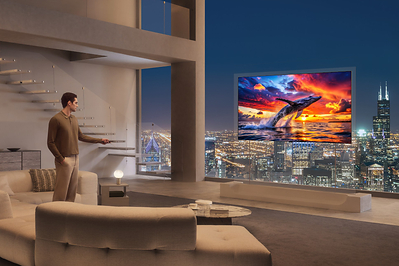
The 2026 LG AI TV lineup is centered on the α11 AI Processor Gen3, LG's most powerful AI TV engine, which drives its refined picture-quality-enhancing technologies. First applied to this year's LG OLED evo series, the evolved processor now brings its advanced picture quality enhancements to LG's ultra-large Micro RGB evo TVs.
The α11 AI Processor Gen3 features faster, more precise video processing with a 5.6-fold improvement* in NPU performance and enhanced CPU and GPU capabilities. It also enables AI Dual 4K Upscaling, combining two AI methods to transform lower-resolution content into sharper, clearer 4K quality, while elevating audio to cinematic Virtual 11.1.2 channels with AI Sound Pro.
Earning accolades for its superior picture quality, Tom's Guide honored the α11 AI Processor at its AI Awards 2026, noting the award recognizes "the best AI products that solve practical problems rather than just focusing on mere hype." Praising its ability to reduce color banding, Tom's Guide stated, "While most of the other TVs we compared it to showed the red light as stripes, the LG OLED TV rendered the scene naturally."
Enhancing Daily Life Through Personalized AI
Beyond optimized picture quality, LG's AI TVs deliver an expanded viewing experience through personalized AI features.
LG's 2026 lineup incorporates a number of user-centric AI features designed to make everyday viewing more convenient and customized:
- Voice ID: Recognizes the user's voice and switches to their personal profile, which provides tailored content recommendations based on viewing history and preferences. When a user asks, "Do you have any movies you can recommend?" Voice ID responds with personalized suggestions matched to their taste in films.
- AI Chatbot: Comprehends users' plain-language descriptions of viewing-related issues and presents appropriate solutions. When a user says, "The screen is too dark," AI Chatbot identifies the exact setting issue, then walks the user through the fix.
- AI Concierge: Analyzes viewing history and habits to proactively suggest content, search terms and relevant features on webOS 26. Accessible by pressing the AI button on the remote, this feature displays information in a convenient card format so that users don't have to navigate away from what they are watching.
LG Shield: Robust Security with Multi-Layered Protection
Every experience on LG AI TV is protected by LG Shield, LG's proprietary, integrated security system for webOS. To safeguard users' information and privacy, LG Shield employs seven core security technologies: secure algorithms, secure data storage, secure data transmission, user authentication, software integrity assurance, secure update and security event detection.
This multi-layered defense is designed to protect user data and TV systems from threats such as data leakage, unauthorized access and malicious tampering.
A CES 2026 Innovation Awards honoree in the Cybersecurity category, LG Shield allows users to enjoy the personalized services available on LG AI TVs with greater peace of mind. In addition, LG's AI TVs come with up to five years of complimentary webOS upgrades, helping deliver an evolving user experience with access to new and improved features released post-purchase.
Experience LG AI TVs at IFA 2026
"We are committed to bringing the next generation of AI-driven home entertainment to everyone, ensuring that our entire TV lineup delivers a truly AI TV experience," said Park Hyoung-sei, president of the LG Media Entertainment Solution Company. "From picture quality to security to highly personalized user experiences, every AI-driven feature is designed to enrich and expand what you can do on LG TV – and IFA 2026 is where people can see these innovations in action."
Visitors to LG's booth in Hall 18 at Messe Berlin, can enjoy the LG AI TV experience in person throughout IFA 2026.
# # #
* Compared to the 2025 α9 AI Processor Gen8 |
About LG Electronics Media Entertainment Solution Company
The LG Media Entertainment Solution Company (MS) is a recognized innovator in televisions, audio, displays and smart TV platforms. The MS Company enhances the media entertainment experience with its OLED TVs, renowned for perfect black and perfect color, the newest Micro RGB TVs and Mini-LED QNED TVs, all powered by the personalized webOS smart TV platform. The MS Company also offers Information Technology solutions (gaming monitors, business monitors, laptops, projectors, cloud devices and medical displays) as well as Signage solutions (Micro LED signage, digital signage, hospitality displays and signage software solutions) that are designed to maximize customers' work efficiency and deliver strong value. For more news on LG, visit www.LG.com/global/newsroom/.
About webOS platform
The webOS platform has powered LG TVs for over a decade, earning acclaim for its user-friendly interface that allows for easy navigation and customization. With a growing ecosystem of global partners and audience-centric content delivered via services such as free ad-supported streaming TV LG Channels, LG Gallery+, LG Gaming Portal, LG Sports Portal and more, webOS is set to drive LG's future growth across multiple devices and out-of-home experiences. For more news on webOS for entertainment, visit www.LG.com/global/newsroom/.
 View original content to download multimedia:https://www.prnewswire.co.uk/news-releases/lg-electronics-introduces-an-award-winning-ai-tv-experience-at-ifa-2026-302861711.html